One year of PaperPict: what we learned about figures
Eleven months, six tools, and a lot of figures. Some of what we learned we expected. Some of it we didn't.
Read article →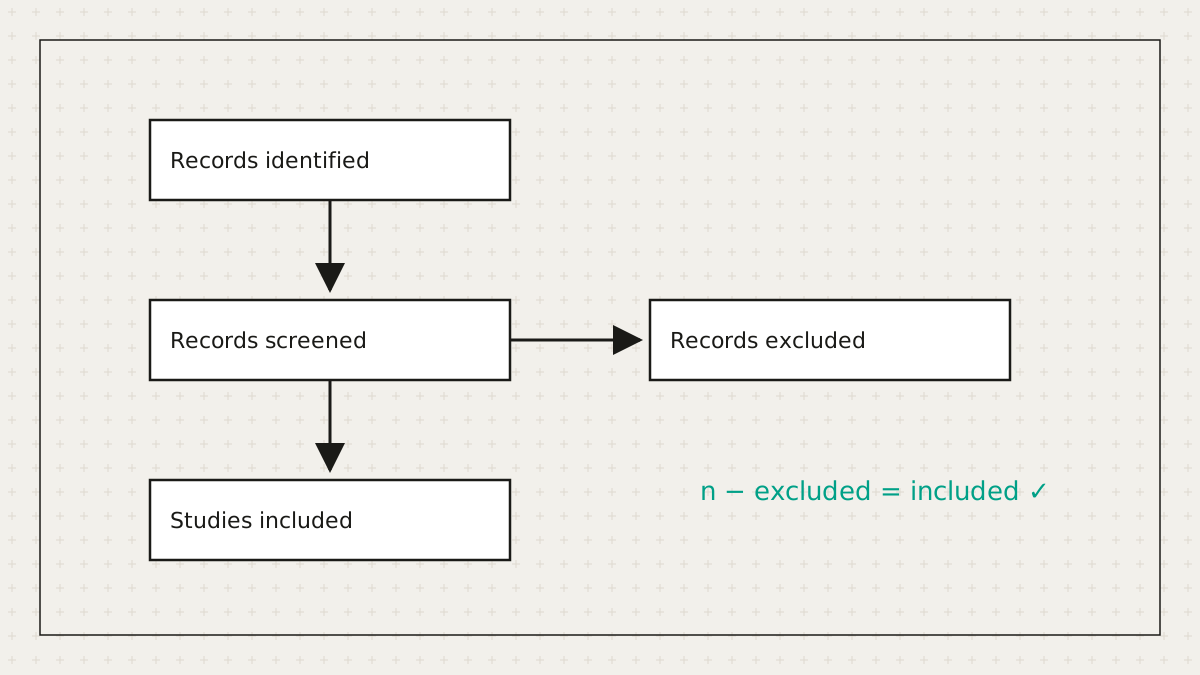
Enter records identified per source, duplicates removed, records screened and excluded, reports sought and not retrieved, reports assessed and excluded with reasons, and studies and reports included. The tool fills the PRISMA 2020 template, including the optional 'other methods' column, and exports a vector diagram.
Identified minus duplicates must equal screened; screened minus excluded must equal sought; and so on down the diagram. The tool checks every equation as you type and shows exactly which box does not balance. Reviewers look for these mismatches first; now they will not find them.
PRISMA 2020 requires each exclusion reason to carry a number. The tool lists reasons as editable rows, sums them, and refuses to export if the sum does not match the excluded total.
Many reviews still use the 2009 layout. The 2020 diagram separates studies from reports, adds the retrieval step, and moves 'other methods' to its own track. The tool produces only the current template so that updated reviews are not rejected on formatting.
Boxes, arrows, and labels are live objects. If a journal wants different wording or a different arrow style, edit the exported SVG or change it in the tool and re-export. Read the box-by-box guide for the reporting details.
MORE FROM THE BLOG
Eleven months, six tools, and a lot of figures. Some of what we learned we expected. Some of it we didn't.
Read article →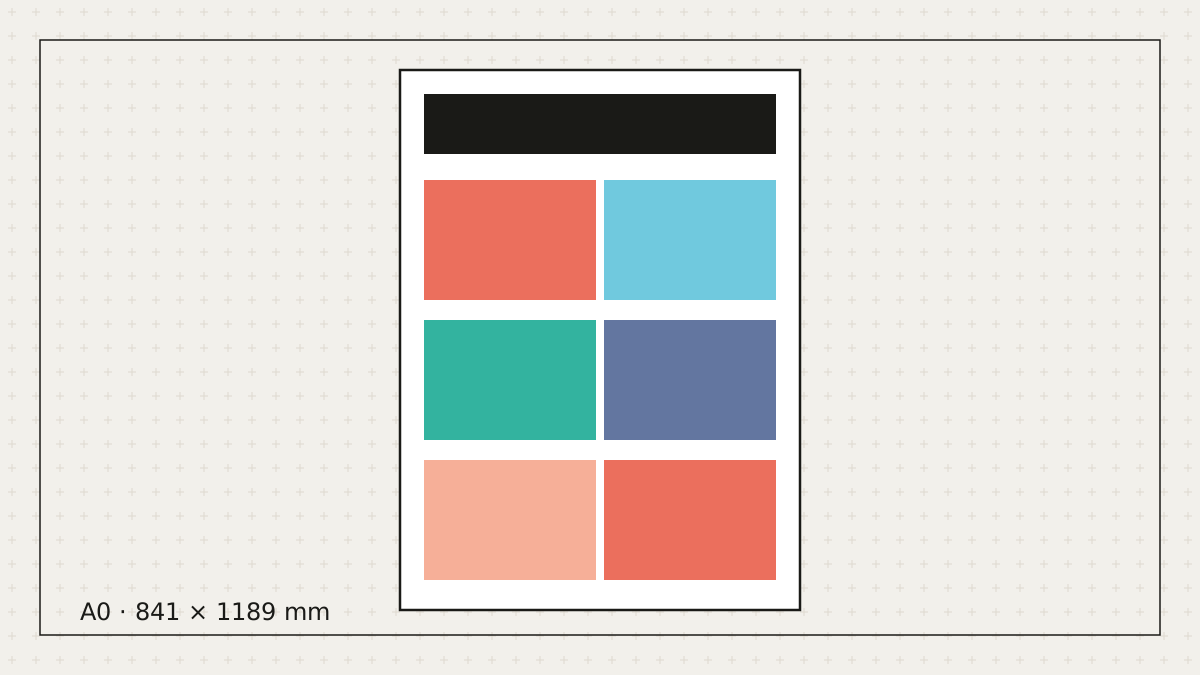
Let's be honest: most posters get made the night before. Here's how to make a good one in the time you actually have.
Read article →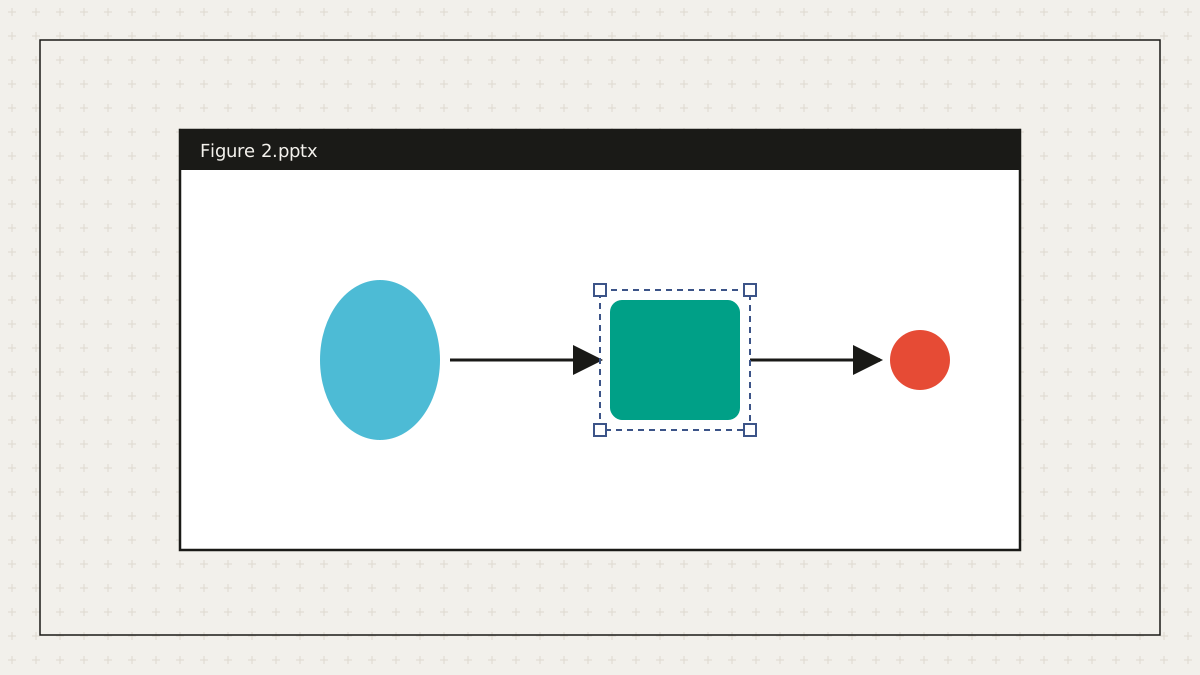
Not everyone on the author list owns a vector editor. Everyone has PowerPoint.
Read article →Free to start. No credit card. Every element stays editable.